Yesterday

As the world burns, Canberra fumbles
The economic effects of the Iran crisis make the Albanese government’s budget decisions harder – but also more necessary to make tough choices. That’s not happening.
This Month
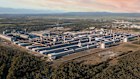
Canberra wants Tomago saved – just not all on its dime
Australia needs to avoid indulging in political slush funds dressed up as “industrial policy” and pivot towards a smarter, future-looking strategy.

Not in the dictionary, but no mistaking envoy’s meaning
Japan’s ambassador to Australia says any change to gas taxes will curtail investment and Australia’s reputation as a reliable energy partner.
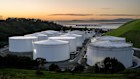
This oil shock is not as bad as the 1970s. Not yet
Fuel prices have not increased as dramatically, 5 per cent inflation is a long way from double-digits, and most home borrowers can cope – for now.

Victoria to force retailers to offer free power during the day
The Allan government says the scheme could save households with solar panels and batteries $1070 a year, but retailers warn there are hidden costs.
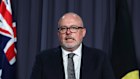
Labor GST row threatens Tomago smelter bailout
The Albanese government is pushing NSW Premier Chris Minns to make a bigger contribution to its multibillion-dollar rescue package for the Tomago aluminium smelter.
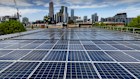
$52b needed to build Asia-Pacific digital hub: Deloitte
Money from private investors and government corporations will be needed to build more data centres, clean energy supplies, sub-sea cables and water utilities, the consultant says.

Crisis a reminder fossil fuels still key to global economic health
No country will be spared the effects of the Middle East conflict, warns the head of the International Energy Agency.

From jet fuel to bad debts, good hiding places are difficult to find
It’s one of those days when fund managers prepare for one trading session in the morning, and another in the afternoon. But the tide is out on growth.

Labor lays down energy, water ground rules for data centre boom
Amid growing global angst about the electricity and water demands of the AI-fuelled data centre boom, Australia plans to impose new “expectations” on developers.

Australia’s top crude supplier warns of fuel export risk
Malaysia has warned shipments to Australia could be disrupted if the conflict in the Middle East drags on, saying it may need to prioritise its own needs.

Running empty: the never-before-seen problem keeping CEOs up at night
COVID-19 put executives through their paces, particularly when it came to supply chains. But the unfolding oil shock is a whole new challenge.

Woodside opts for safe hands as Westcott anointed as CEO
The former ExxonMobil senior executive has a top-notch operational track record but will need to prove her commercial nous, investors say.
Woodside deal boosts LNG exports in exchange for domestic gas
Woodside has secured permission to export almost three million tonnes of additional liquefied natural gas from its operations in north-west Australia.
Coal miners eye price windfall as Indonesia plans export curbs
Prices for the most unfashionable energy commodity are at a 16-month-high, and Australian coal miners could be about to benefit from Indonesian export controls.

Another renewable energy project in Queensland falls into strife
A Chinese solar company has scrapped its proposal after significant opposition from a regional community.

Government in final stages of negotiations with oil refiners
Canberra is poised to renew taxpayer subsidies for Australia’s two remaining refineries as the Iran crisis highlights supply chain vulnerabilities.
Bowen relaxes fuel stockpile rules to meet local shortages
The Albanese government will release 20 per cent of Australia’s reserve stock of diesel and petrol to help plug demand-driven shortages in regional areas.
Power prices improve but experts warn it’s not likely to last
Average household electricity bills are set to drop 3 per cent on July 1 under a draft ruling, but the end of the federal energy bill subsidy means spending on power will still rise.
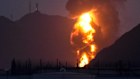
These prophetic pipelines could end the Iran war oil shock
Two pipelines were built by the Saudis and the UAE in case the Strait of Hormuz some day closed. An armada of tankers is now rerouting to ports where they end.


